 JustThen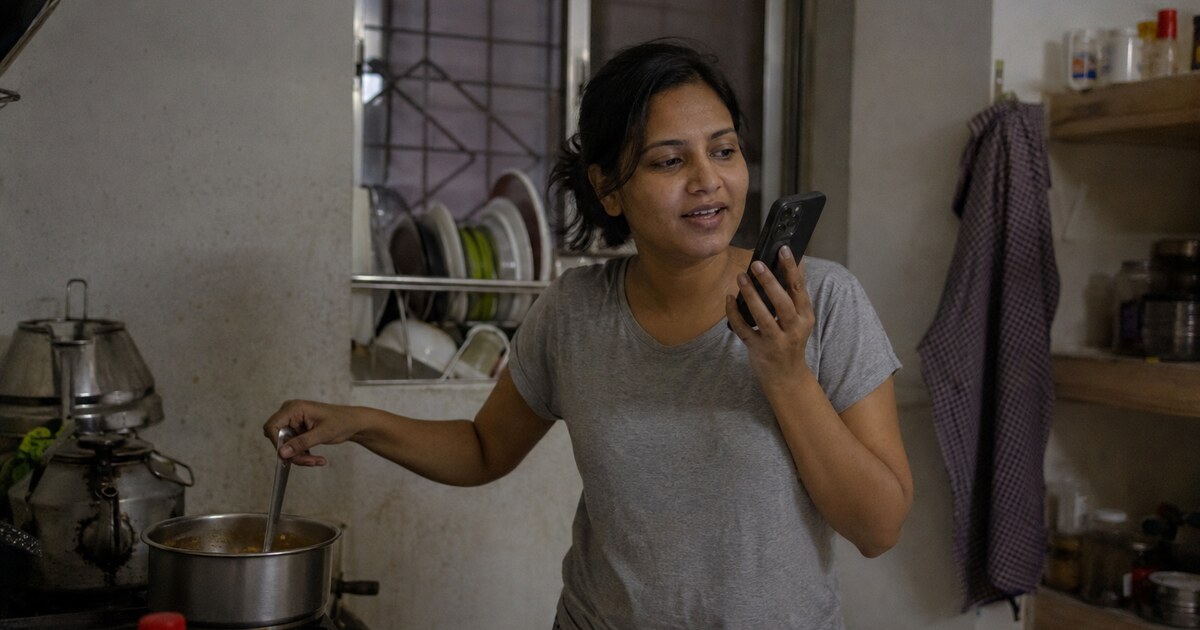
What helps long-distance dating work?
Long-distance dating works best when both people make room for ordinary, repeatable contact, repair missed connections and discuss when they will next meet. Small rituals give affection somewhere to go between visits. Voice can help carry the everyday details: a tired laugh, a story from the bus, the way someone says your name.
The most useful long distance dating advice should survive a dull Tuesday. Grand gestures can be lovely, but a relationship also needs a way to handle late shifts, different time zones and the evening when neither person has much to say.
1. Do you need to talk all day to stay close?
The belief: Frequent messages keep you involved in each other’s lives.
There is truth here. When you cannot share breakfast or walk home together, messages help fill the gaps. A photo of a disastrous sandwich gives your partner something small to respond to. Going quiet without explanation can leave the other person wondering what changed.
What is actually true: Contact needs a rhythm both people can sustain.
An expectation of constant replies can turn affection into a task. Someone answers between meetings, misses half the conversation and then apologises for having a working day. More messages do not necessarily give either person more attention.
Agree on a modest pattern, then leave room for spontaneous contact. For example:
- A brief morning message, with no immediate reply expected.
- Two calls a week when neither person is commuting or working.
- A heads-up when the usual pattern will change.
Make the agreement specific enough to prevent guessing. “Wednesdays are difficult; I’ll usually reply after dinner” tells someone more than “I’m a bad texter”. Review the rhythm if one person keeps feeling stretched or forgotten.
2. Does a romantic gesture matter more than an ordinary voice note?
The belief: Big gestures prove that the distance is worth the effort.
A carefully planned visit or a letter arriving after a difficult week can mean a lot. Distance involves practical effort, and making that effort visible matters. Nobody needs to pretend that remembering a birthday is less valuable than describing the washing-up.
What is actually true: Ordinary contact gives you something to share between those gestures.
A surprise parcel cannot tell your partner how your interview went unless you also tell them. A short voice note can carry a detail that gets flattened in a hurried message: relief, hesitation, a laugh halfway through the story.
Try a repeatable prompt: one good thing, one irritating thing and one detail you would have mentioned if you lived nearby. Keep the recording easy to receive. Forty seconds about the neighbour’s escaped cat may fit someone’s lunch break better than an unexplained twelve-minute monologue.
If recording feels awkward, these dating voice note ideas offer concrete starting points. You can use voice notes on JustThen if you want to, while keeping written messages part of the conversation.
Voice should remain an invitation. Hearing access, privacy, language comfort and simple preference all matter. Ask whether recordings suit your partner, and save urgent questions for a channel you have both agreed to check.
3. Should every call feel like a proper date?
The belief: Limited time together deserves your full attention and something special.
That instinct is reasonable. If you have waited three days to speak, watching someone answer emails can feel disappointing. Planning a film night or cooking the same meal can make a call feel intentional.
What is actually true: Leave room for conversation that does not need an occasion.
If every call requires good lighting, an interesting update and two uninterrupted hours, staying in touch becomes harder to arrange. You also miss the ordinary version of each other: folding laundry, choosing dinner, being mildly annoyed about a broken cupboard.
Give calls different purposes. One evening might be a date with phones put aside. Another might be fifteen minutes while you both prepare lunch. Ask before assuming a distracted call counts as quality time: “Would company while I cook feel nice, or would you prefer to talk afterwards?”
For a new connection, a little structure for a first phone call can ease the pressure. Once you know each other, there is no need to keep producing fresh interview questions. An uneventful day is still a day you can share.
4. Is it better to avoid disagreements until you meet?
The belief: Difficult conversations are easier face to face.
Sometimes they are. Text can obscure tone, and a delayed reply can interrupt a delicate conversation. Waiting until you are both rested may be sensible, especially when one person is about to start work.
What is actually true: Postpone thoughtfully, with a clear time to return.
If the next visit is six weeks away, saving every concern can burden that visit with weeks of unresolved tension. A missed call becomes a story about who cares more, while the person who missed it may not know anything is wrong.
Start with the event and the request. For example: “We missed our Sunday call, and I didn’t know whether to keep waiting. Could you message me next time the plan changes?” That gives your partner something concrete to answer.
If speaking helps, arrange a call. If writing helps either person think, begin there. When a conversation gets heated, agree on a return time before taking a break. Repair also needs a practical change: a calendar reminder, an earlier call or a quick message when plans slip.
5. Can a strong connection make the practical questions wait?
The belief: You should enjoy the relationship before putting pressure on its future.
Early dating does need room to unfold. Someone you have known for a fortnight does not owe you a relocation plan. Work, money, family responsibilities and immigration requirements can also make firm dates difficult.
What is actually true: Plans can match the stage of the relationship.
At the beginning, discuss whether you both want to meet and what would make a visit feasible. Advice on how long to talk before meeting can help frame that conversation without turning a date into a deadline.
Later, discuss who travels, how costs are shared and whether either person could eventually move. Fairness may mean different contributions because your budgets or responsibilities differ.
You do not need certainty to be honest. “I cannot move this year, but I can visit in November” gives someone a real choice. If neither person knows when the distance could change, name that uncertainty and agree when to revisit it. Affection matters, and so does understanding what each person can offer.
The short version
- Choose a contact rhythm that fits both lives, including busy days.
- Use ordinary voice notes if you both enjoy them; keep other ways of talking available.
- Make room for simple calls and address disagreements before resentment builds.
- Match practical plans to the relationship’s stage, and be clear about uncertainty.
Dating that starts with a real conversation.
Match on personality, then talk however suits you — a message, a voice note, a sealed letter, or an anonymous Vibe Check call.
Get JustThen — free